
A dissertation is the longest and most independent piece of writing most students will ever undertake. It is less a single document than a sustained research project that happens to end in writing. Success depends far more on planning, persistence, and good working habits than on bursts of inspiration. This guide outlines how to approach the work as a manageable, staged process.
Define a Researchable Question
Everything begins with your research question. It must be original enough to contribute something new, narrow enough to answer within your time and resources, and significant enough to matter to your field. Spend real time refining it with your advisor — a sharp question makes every later stage easier, while a vague one creates years of drift.
Build a Literature Review That Earns Its Place
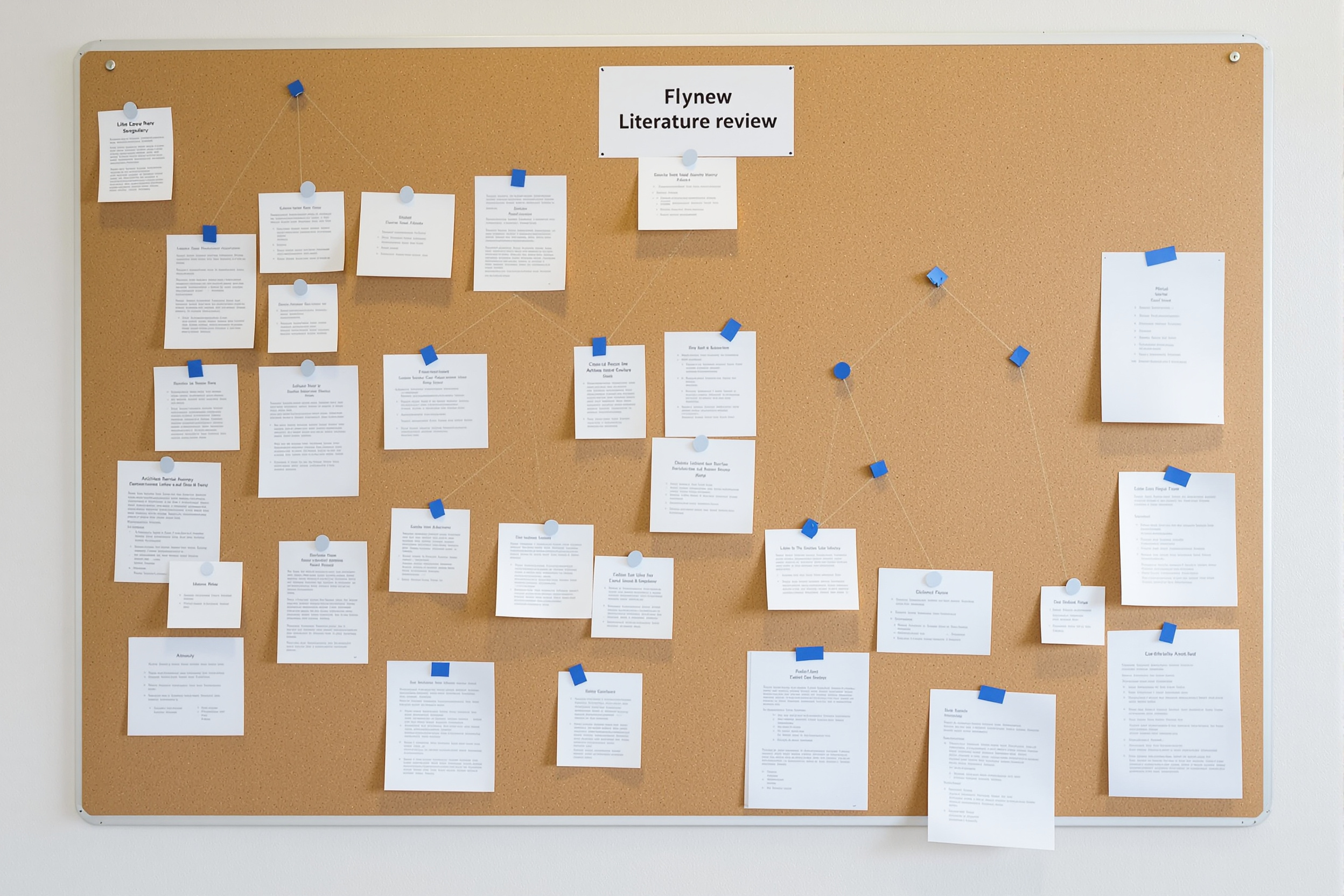
The literature review is not a summary of everything ever written on your topic. It is a critical map of the existing conversation that shows where your work fits and what gap it fills. Read widely, organize sources by theme rather than one-by-one, and synthesize: explain how the studies relate, where they agree, and where the open questions lie.
Structure the Chapters
Most dissertations follow a recognizable structure: introduction, literature review, methodology, results, discussion, and conclusion. The exact form varies by discipline, so study successful dissertations in your field. Treat each chapter as a self-contained piece with its own argument that also advances the whole.
Manage the Timeline
Before the timeline, settle your data-management plan — the single most common source of late-stage panic. Decide now where raw material lives, how files are named, what gets backed up and how often, and what a future reader would need in order to reconstruct what you did. For empirical work this extends to the provenance of every dataset and every material: where each came from, when, in what version or grade, and under what conditions it was stored. Retrofitting that record after the fact is close to impossible, and examiners increasingly ask for it.
The greatest risk to a dissertation is not difficulty but duration. Break the project into milestones — proposal, data collection, each chapter draft, full draft, revision, and defense — and assign realistic dates. Write regularly, even when you do not feel ready; momentum is everything on a project this size. Many institutions, such as university graduate schools, publish detailed timelines and formatting requirements that are worth consulting early.
Work Closely With Your Advisor
Your advisor is your most valuable resource. Bring them specific questions and concrete drafts rather than vague worries, schedule regular check-ins, and act on their feedback. A good working relationship with your committee can be the difference between finishing on time and stalling.
Sustain Yourself Across the Long Haul
A dissertation is a test of endurance as much as intellect. Protect your working routine, celebrate small milestones, and keep up the citation discipline from day one — retrofitting references across hundreds of pages is painful. Our citation styles guide and research paper guide both scale directly to dissertation-length work.